
Overcoming Imposter Syndrome as a New Coach. Simple Smartphone Habits That Quiet the Noise and Boost Your Confidence
Let’s be honest, imposter syndrome as a new coach feels like an uninvited guest who keeps turning up when you’re trying to do something brave. You’re building a coaching business, trying to look like you’ve got it together and then boom, that voice whispers, “You’re not ready. You’re not good enough. Someone’s going to notice.”
I’ve felt it myself that dizzy, slightly nauseous wobble especially when staring at a blank content screen or pressing “post” on something that suddenly feels far too vulnerable. New coach self-doubt hits in waves. Loud ones.

But here’s the unexpected twist, while your smartphone is usually the source of comparison and chaos, it can also bizarrely become one of the most grounding tools when you’re learning how to overcome imposter syndrome as a new coach. Small digital habits can shift your focus, help you stay productive, and even remind you that you’re actually doing alright. Better than alright some days.
So let’s dig into these smartphone habits for coaches, stitched together with a few imperfections, contradictions, and emotional honesty in true human style.
Why Imposter Syndrome Hits New Coaches So Hard (And Often at the Worst Possible Times)
Being a new coach is strange, exciting, and mildly terrifying all at once. One moment you’re buzzing with ideas and planning your future retreats, the next you’re questioning whether you should even be advising anyone, ever. And somehow, every other coach online looks wildly confident, organised, and as though they’ve cracked the code to life, even though deep down you know they probably haven’t.
A few reasons this happens:
1. Identity limbo
You’re shifting into a role you want, but haven’t embodied long enough to feel steady. The gap in between? That’s where imposter syndrome wiggles in.
2. Visibility overload
Coaching requires sharing your voice, your thoughts, your face, all while you’re still figuring out the whole “acting like a coach” thing.
3. No rulebook for qualification
There’s training, sure, but there’s no universal benchmark that tells you, “Yes, you are officially enough.” So your brain keeps guessing.
4. Comparison is one swipe away
Scroll for five seconds, and you’ll find three established coaches, two Bali retreats, and someone claiming they made £30k before breakfast. It’s… a lot.
Understanding this emotional soup is essential because the right confidence tips for new coaches aren’t just mindset-based, they’re practical too. And this is where your phone quietly starts helping.
Smartphone Habits That Help You Stay Confident and Productive as a New Coach
These aren’t perfect habits. They aren’t polished or aesthetically pleasing. They’re messy, real, and exactly the sort of thing that helps when imposter syndrome as a new coach makes your brain feel foggy.
1. Voice Notes Capture Your Expertise Before Self-Doubt Deletes It

One of the best tech habits for new coaches is simply recording what you think, say, and notice throughout the day.
Why? Because imposter syndrome lies voice notes don’t.
Record:
insights that pop up mid-walk
client breakthroughs (anonymised, obviously)
inspiration that appears while you’re waiting for the kettle to boil
rants, rambles, half-thoughts
Later, when self-doubt kicks in, listening back is surprisingly grounding. You sound like a coach. You think like a coach. You are a coach.
And suddenly the spiral slows.
2. Calendar Blocks That Quiet the Anxiety Spiral
If your calendar looks chaotic, your brain feels chaotic. A structured phone calendar becomes one of the gentlest productivity tips for new coaches, not because it makes you busier, but because it reduces panic.

Add recurring blocks like:
Client calls
CEO hour
Learning time
Admin (ugh)
Rest (non-negotiable)
When you open your calendar and see the identity of a coach reflected back at you, imposter syndrome as a new coach loses a bit of its grip. Structure breeds confidence.
3. Habit Trackers: Visible Progress Beats Invisible Panic
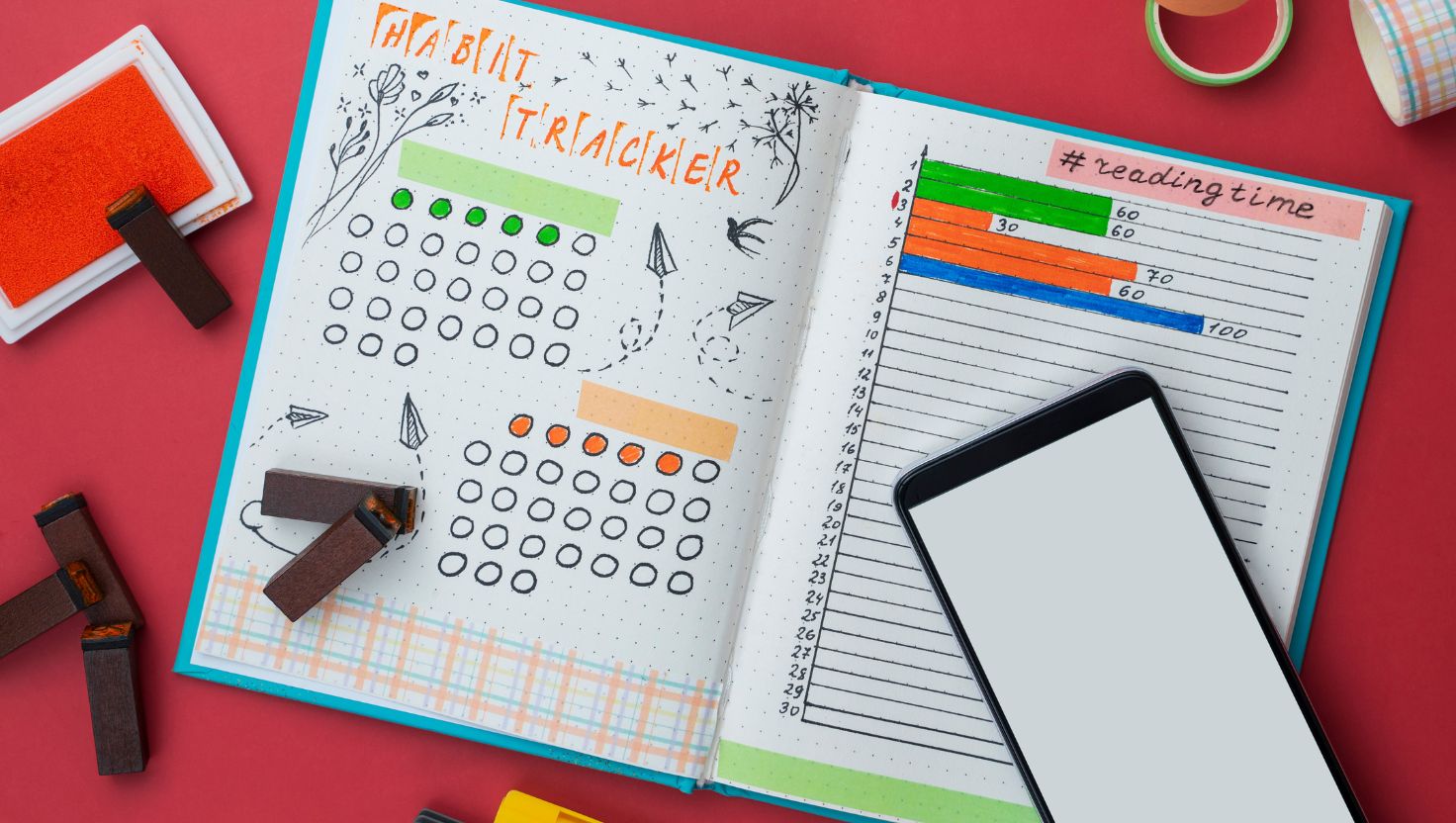
Imposter syndrome hides your wins. Habit trackers reveal them.
Track small things:
posting or engaging once a day
reading one page
sending a follow-up message
taking a moment to breathe before a call
Seeing streaks? Your brain gets a hit of “maybe I am actually improving.” That tiny burst helps more than we admit.
4. A Screenshot Folder Called “Evidence I’m a Good Coach”
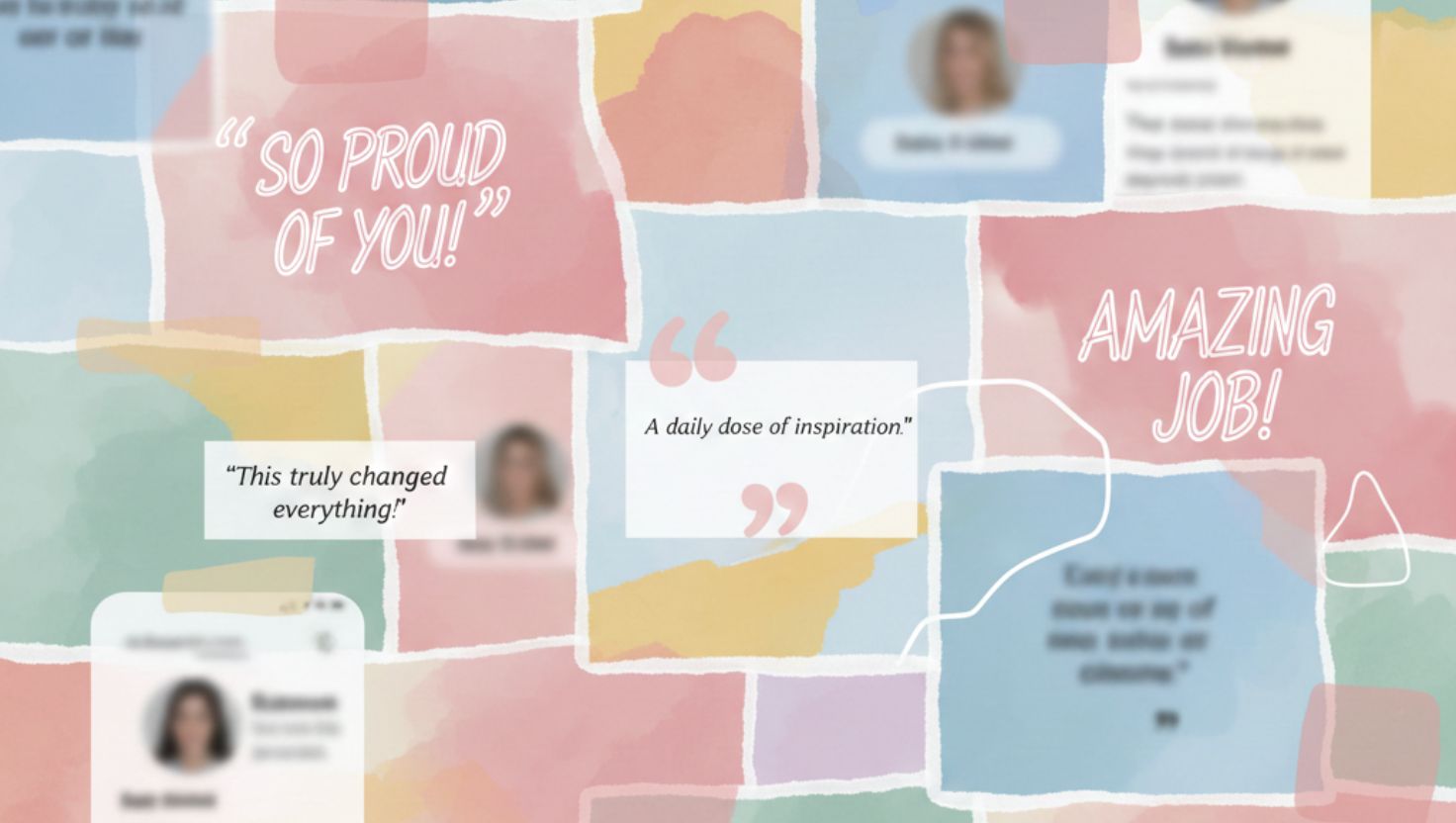
Absolute game-changer.
Collect screenshots of:
kind messages
positive comments
client praise
small achievements
moments where you felt proud
It becomes your personal antidote for the days when you’re googling how to overcome imposter syndrome as a new coach (we’ve all been there).
When doubt rises, open the folder. It’s difficult for your inner critic to argue with facts.
Mine’s called “what people say about me” which feels petty and satisfying at the same time.
5. Focus Mode: Protect Yourself From Comparison Triggers
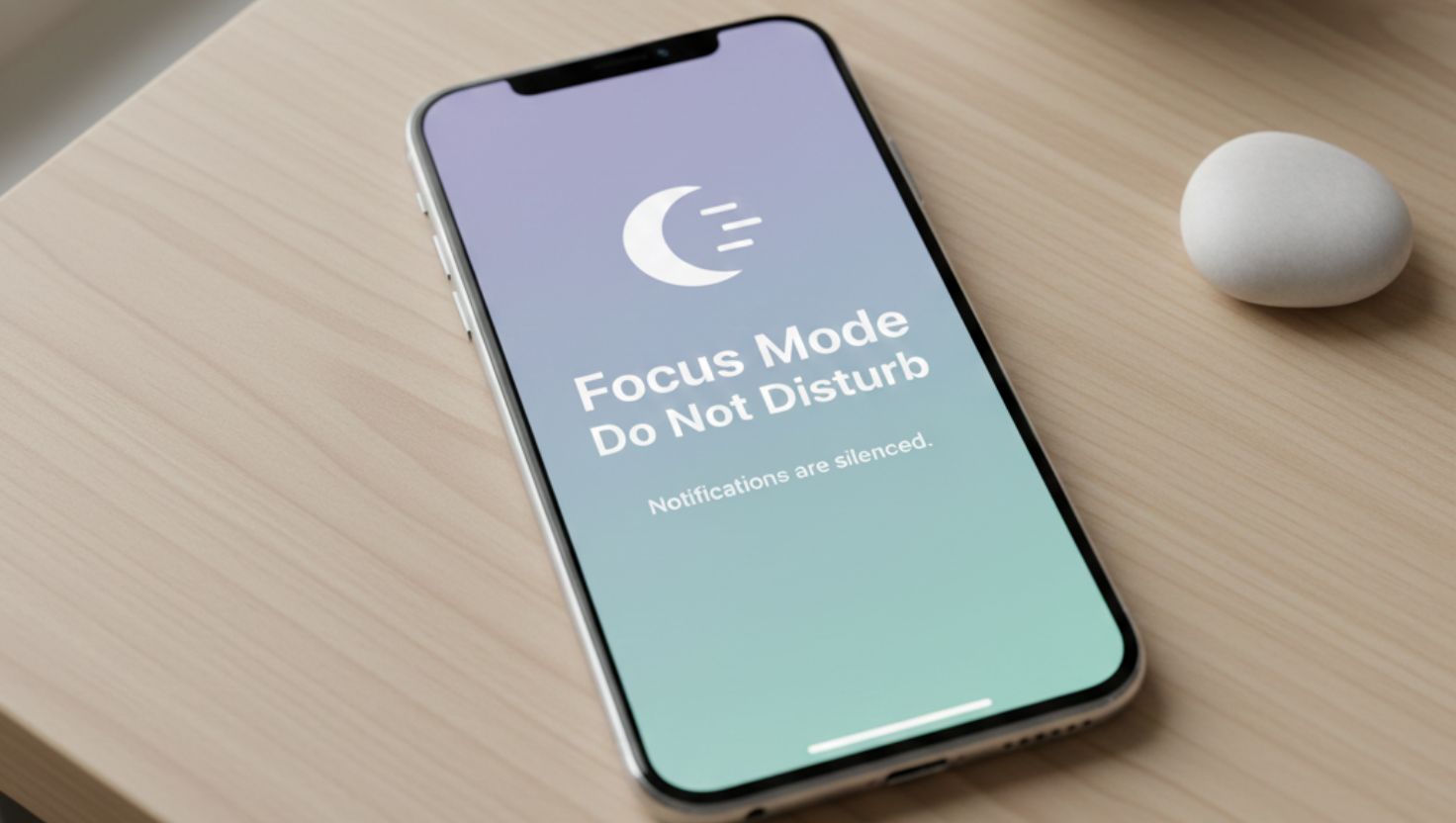
Your phone can absolutely sabotage your confidence if you let it.
Turn on:
Do Not Disturb
App limits
Hidden social icons
Quiet hours when you’re creating or coaching
These simple smartphone habits for coaches protect your mindset so you can focus on building, not comparing.
6. Notes App Journalling: Messy, Human, Healing
Your notes app isn’t meant for perfect writing, it’s intended for thoughts you’re afraid you might lose.
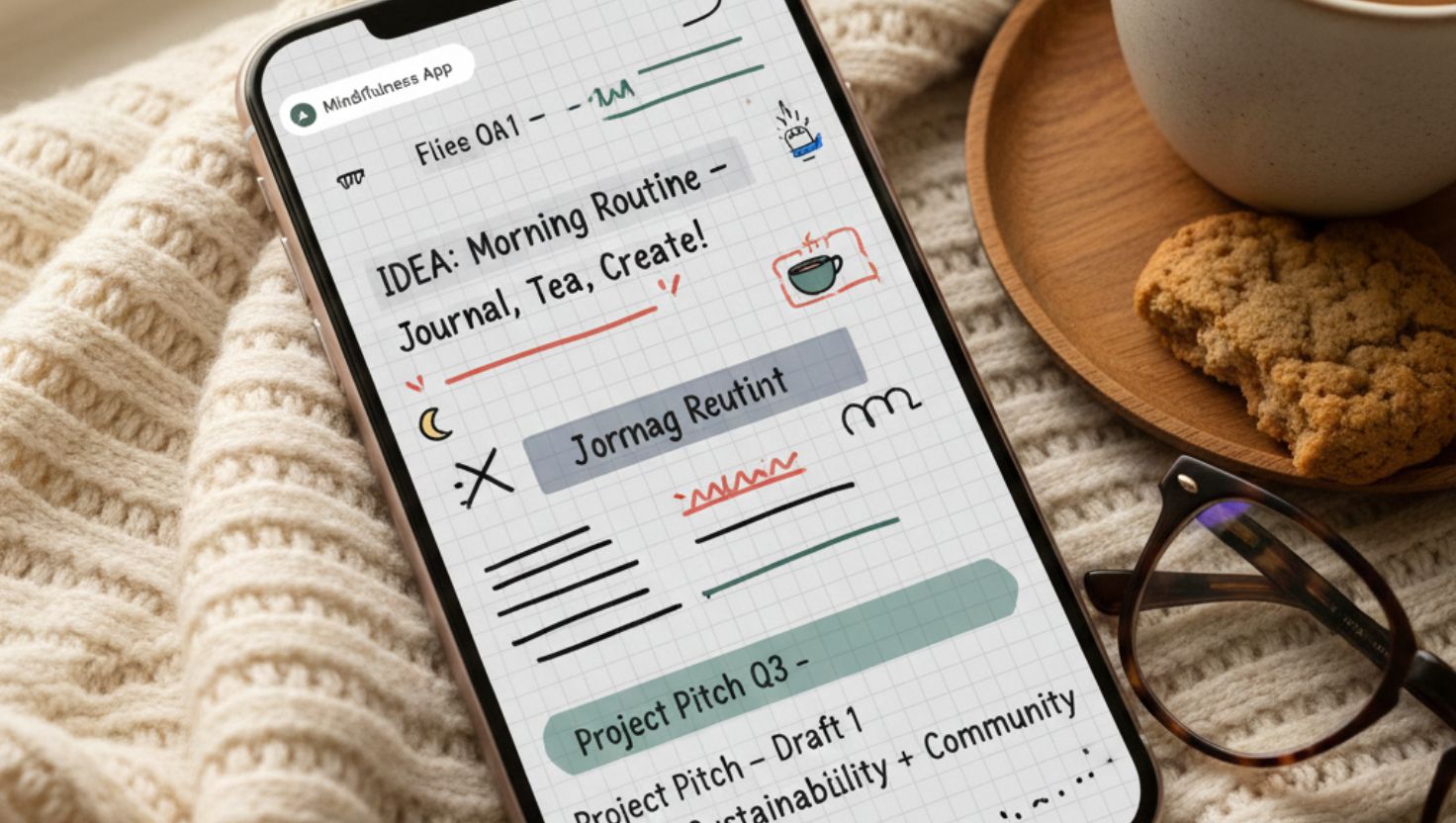
Create messy sections like:
Thoughts I want to remember
Things that went strangely well
Wins I’ll forget by tomorrow
Lessons I didn’t think I needed
This reflective habit strengthens your identity as a coach. Identity is the antidote to self-doubt.
7. Automations That Remove Emotional Pressure
New coaches often say they feel overwhelmed, not because the tasks are difficult, but because everything feels important. Automations soften that pressure.
Use:
Calendly
Google Drive
Canva templates
ChatGPT for drafts
Zapier
Free up mental space, and suddenly your confidence grows, oddly enough, not because you’re doing more, but because you’re no longer drowning.
The Coaching Business KickStart Vault

Get visible, stay consistent, and turn content into clients without the cringe or burnout. Packed with templates, prompts, and simple marketing systems that actually work.
8. Tiny Learning Moments That Make You Feel Legit
A little learning goes a long way when you're feeling like a fraud. Not because you need more knowledge, but because learning reminds you that you’re evolving.
Try:
Blinkist
Masterclass
Insight Timer
TED audio
Three minutes is enough. Truly.
9. Digital Vision Boards: Remind Yourself Who You’re Becoming
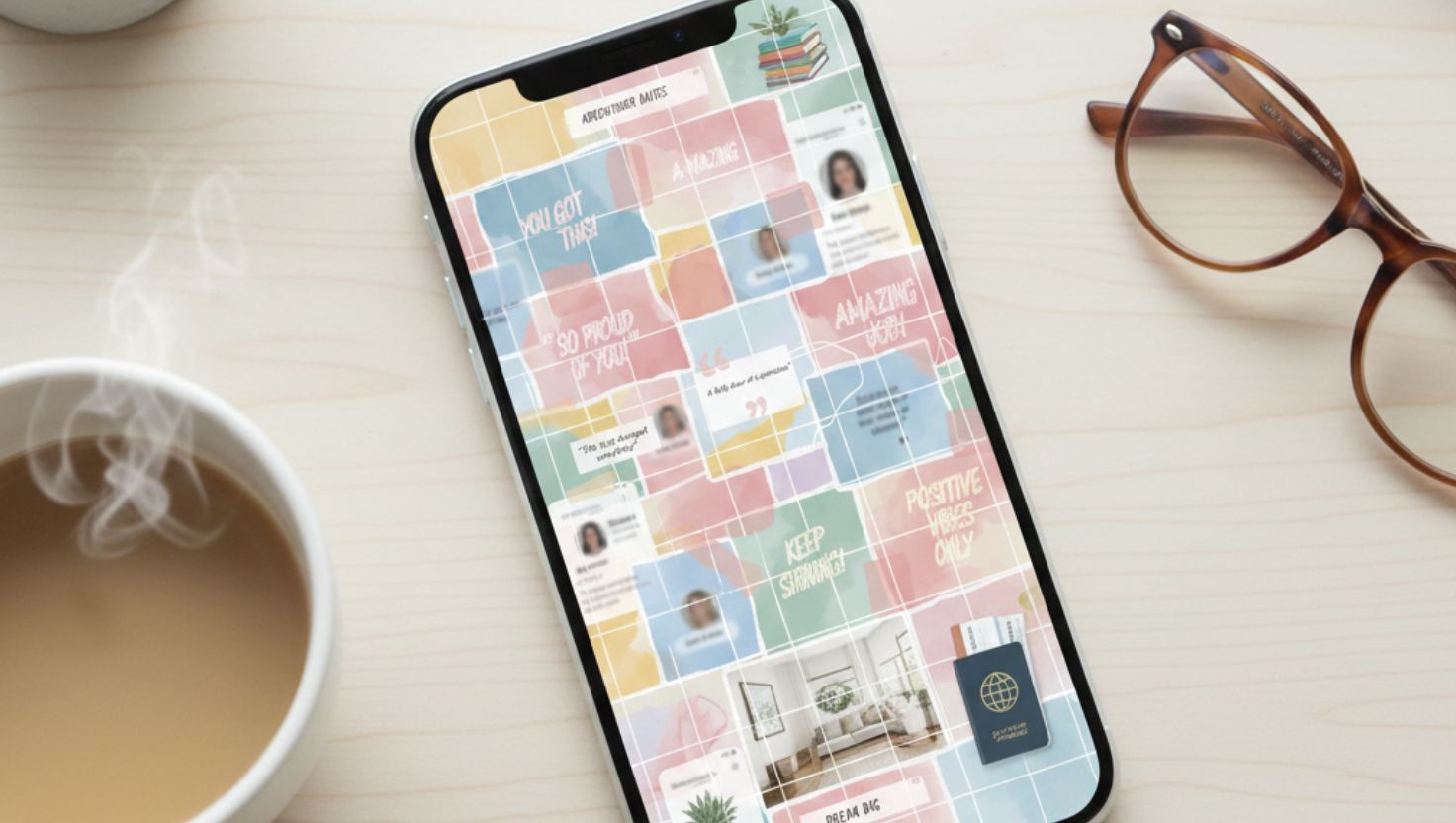
Want one of the gentlest confidence tips for new coaches? Keep your future self visible.
Add images of:
coaching dreams
clients you want to serve
numbers that feel exciting
quotes that remind you to breathe
It’s grounding, not cheesy.
(Well, maybe a little cheesy, but honestly, cheese helps.)
10. Track Daily Wins Like Your Brain Depends On It (Because It Does)
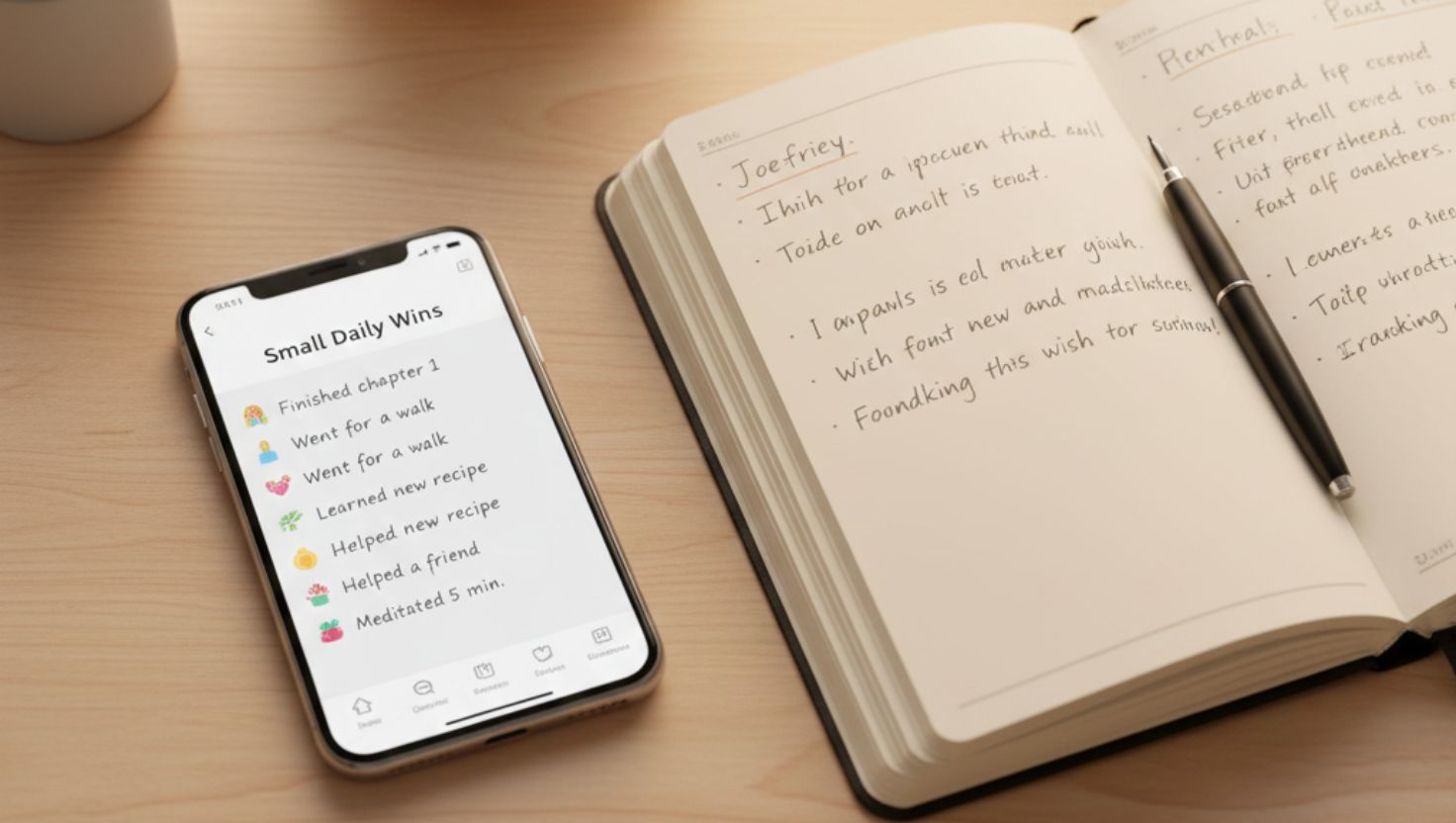
Imposter syndrome makes you forget everything you’ve done right. Tracking wins stores them for you.
Every day, write:
one good moment
one brave step
one thing that didn’t go as planned but you learned from
one thing you’d forgotten you were capable of
The more evidence you collect, the easier it becomes to believe in yourself.
You Don’t Defeat Imposter Syndrome, You Outgrow It
Here’s the truth no one tells you. You don’t “fix” imposter syndrome as a new coach. You don’t suddenly wake up immune one day.
You dissolve it through:
repetition
reflection
tiny wins
seeing your own growth
building habits that anchor your identity
These smartphone habits for coaches aren’t really about the phone at all. They’re about building a life where confidence has space to grow, even on the chaotic days.
You’re not faking it. You’re becoming it. And you’re doing better than you realise.